
Feline medicine: cat-focused veterinary care and research
- Watch for
- The different roles of guidelines, education and studies
- Ask your vet
- How a reference applies to an individual examination
- Related
- Clinic visits, wellness exams and comparative medicine
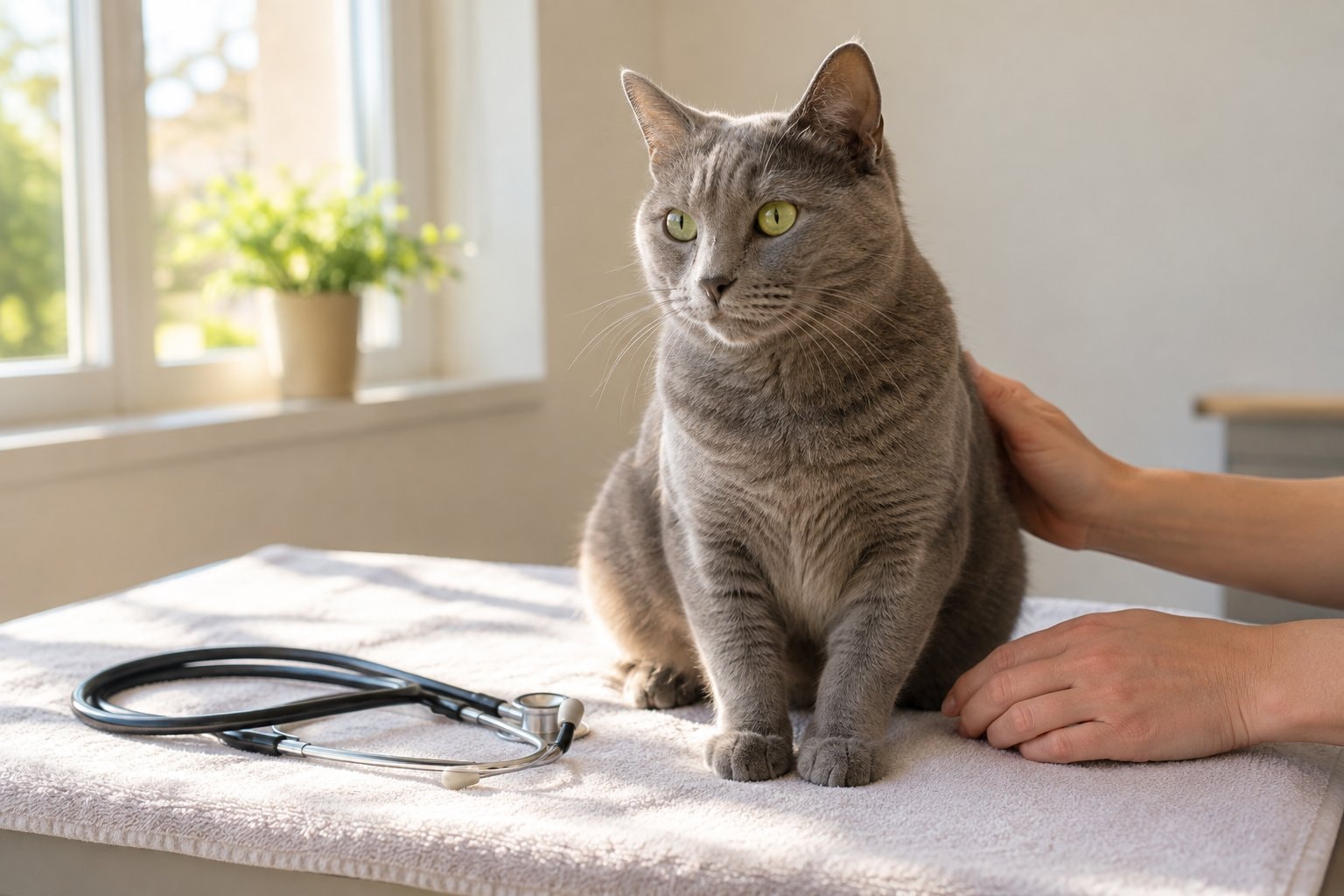
Feline medicine means veterinary care with the cat's particular needs in view. For an owner, that shows up in the questions asked about home life, the way an examination is approached and the explanation of a finding. It also shows up beyond the clinic, in professional guidelines, public education and research. These are different parts of the same subject, and understanding their roles can make cat-health reading less confusing.
A field organised around cats
The Feline Veterinary Medical Association’s history records the American Association of Feline Practitioners convening in 1971 and the adoption of its current name in 2024.
The association describes its mission as supporting feline practice standards, continuing education and evidence-based medicine.
The older association name still appears on guidelines published under it. That is useful context when a reader sees AAFP on a reference about behaviour or life stages and FelineVMA on a newer association page. The name on a document identifies the organisation responsible for it; it does not say that the organisation knows your cat or endorses this guide.
Cat-focused veterinary care is also an individual conversation. A description of a field or an association cannot tell you what an examination will find. Bring the cat's own habits, current concerns and practical difficulties into the visit. Ask the clinic team to explain unfamiliar terms, including what a finding means and what remains uncertain.
What a body of guidelines covers
The association's practice guidelines cover more than disease names. They address the cat's behaviour, living environment, age and experience of veterinary care as well as specific health subjects. Some are written with other veterinary associations. They are professional references, not instructions for an owner to diagnose a cat or carry out a clinical procedure.
- AAFP Feline Behavior Guidelines
- AAHA/AAFP Feline Life Stage Guidelines
- AAHA/AAFP Feline Vaccination Guidelines
- AAFP Senior Care Guidelines
- AAFP/ISFM Environmental Needs Guidelines
- AAFP/ISFM House-soiling Guidelines
- AAFP Zoonoses Guidelines
- AAFP/ISFM Cat Friendly Veterinary Interaction Guidelines
- FelineVMA Feline Oral Health and Dental Care Guidelines
- AAFP/AAHA Pain Management Guidelines
For an owner, the list is a map of questions worth bringing into care. A change in behaviour can belong in a veterinary conversation alongside a question about teeth or movement. A home arrangement can be relevant when a cat starts avoiding a shared resource. The existence of a guideline does not settle the cause of either change; it shows that the subject has a place in professional discussion.
How a cat experiences a visit
The Cat Friendly Veterinary Interaction Guidelines emphasise understanding a cat’s emotional state and adapting the visit to the individual.
Ask what the clinic needs you to do before arriving and how you can explain the cat's usual response to unfamiliar places. A cat that freezes, hides or resists at the clinic is not giving the team the same information as it would in the living room. Your account of normal home behaviour can help frame the conversation without requiring you to interpret the cat's response yourself.
The carrier and clinic guide considers the trip as a practical sequence: preparing the carrier, travelling and entering the examination space. The wellness-exam page looks at preparing observations and questions. Use those pages before a planned visit, while following any specific instructions from the clinic.
University research and public education
The Cornell Feline Health Center describes conducting and supporting feline research, sharing expert information and educating veterinary professionals and cat owners.
Public education and research do different jobs. An owner-facing explanation can make a term or a sign understandable. A research paper describes a question, methods and findings within a defined study. Neither format replaces an examination. When reading a university page, ask whether it is a general introduction, a narrow topic explanation or a report of work that is still being studied.
Keep the question you began with in view. A detail may be interesting without answering it. For example, a paper about a biological process can deepen a research discussion while leaving an owner still needing to ask why a cat has stopped using a favourite perch. Take that practical concern back to the clinic rather than assuming the most technical explanation is the most applicable.
Research funding has its own role
EveryCat Health Foundation, formerly the Winn Feline Foundation, describes itself as a nonprofit supporting feline health research and education.
A foundation that funds work is different from the clinic responsible for your cat. A grant supports a research question; it does not certify an answer for every animal or every household. The ordinary owner question remains what the evidence means in the setting of an individual examination. A reference to a foundation here is factual background about research, not a request for money or an invitation to take part.
The comparative-medicine page introduces examples of naturally occurring feline illnesses studied alongside human ones. It keeps the reported resemblance or model relationship separate from a promise about future results. That distinction matters whenever a research topic is described with enthusiasm: an interesting connection still needs the limits of its evidence.
Reference works and useful questions
The Merck Veterinary Manual’s owner information discusses routine care, veterinary visits and recognising changes in a cat’s health.
You can use a reference to prepare a question in everyday words. Ask what an unfamiliar term means for the cat, what was observed during the examination and whether any further information is needed. Explain anything at home that makes an instruction difficult to follow. Those details belong in care just as much as understanding a disease name does.
The reading list helps distinguish the guide's everyday-care, illness and research pages. Choose the level of explanation that serves the immediate question. General reading can give you useful vocabulary and context, but only a veterinarian who examines the cat can diagnose it or decide its treatment. The person responsible for that assessment is also the person to ask when the reading leaves you uncertain.